

How Do Animals And Plants Depend On Each Other
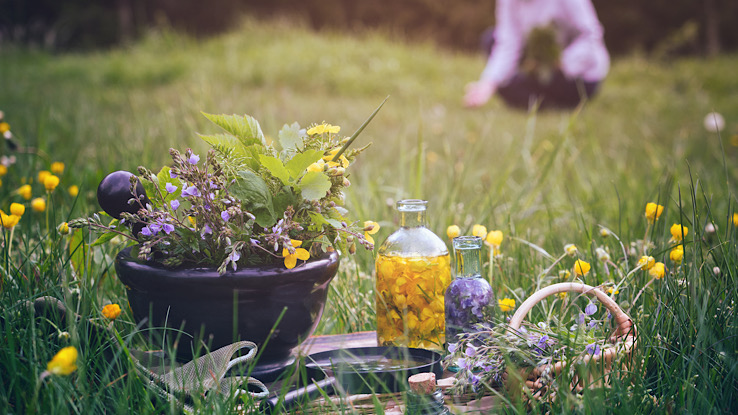
Different countries and cultures worldwide accept used medicinal plants for thousands of years. Several studies accept looked into the usefulness of these medicinal plants. Nevertheless, more research is still ongoing to understand the medical benefits better. This commodity provides bones information about specific medicinal plants and what the science says now. For more than information, visit Herbs At a Glance.
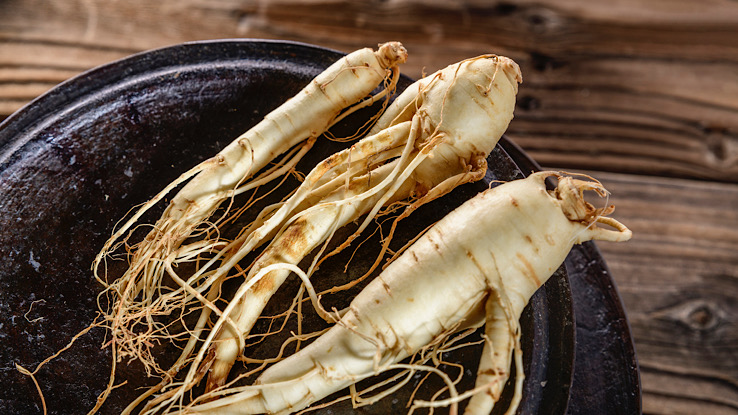
American ginseng is 1 of the most widely used plants in herbal medicine. People crush the root and take it orally. People take information technology to heave their immune systems, subtract stress, and help treat upper respiratory infections. Ginseng is in soft drinks and cosmetics and is in high demand worldwide. People sometimes misfile American ginseng and Asian ginseng, but they accept different properties.
2. Echinacea
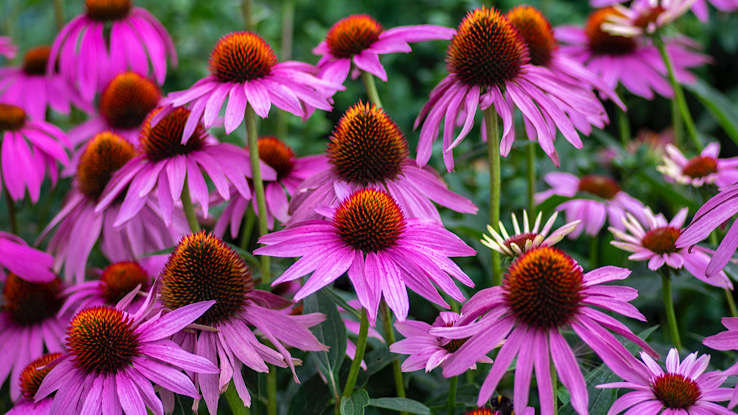
Echinacea, likewise known every bit coneflower, can prevent and treat colds and aid fight infection. People also use it for wounds on the peel and to treat peel conditions.
iii. St. John's Wort
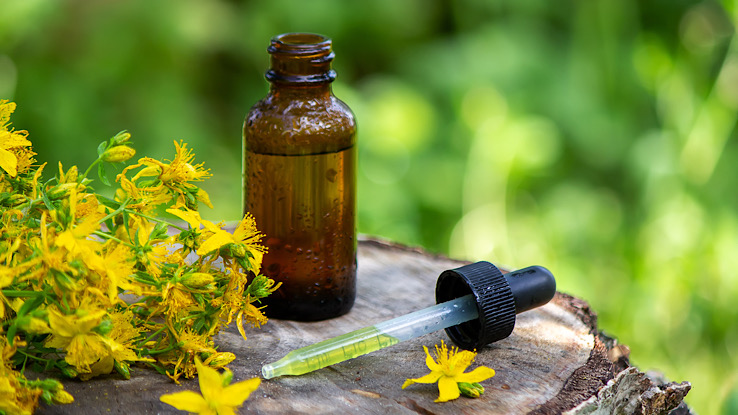
People utilize St. John's Wort either on your skin or take it by mouth. Common topical uses include healing wounds or bruises and lessening musculus pain. Taking the institute by mouth may help with low, obsessive-compulsive disorder (OCD), and attention deficit hyperactivity disorder (ADHD). However, St. John'south Wort tin interact desperately with some medications, so talk to your doctor before taking it.
iv. Milk Thistle
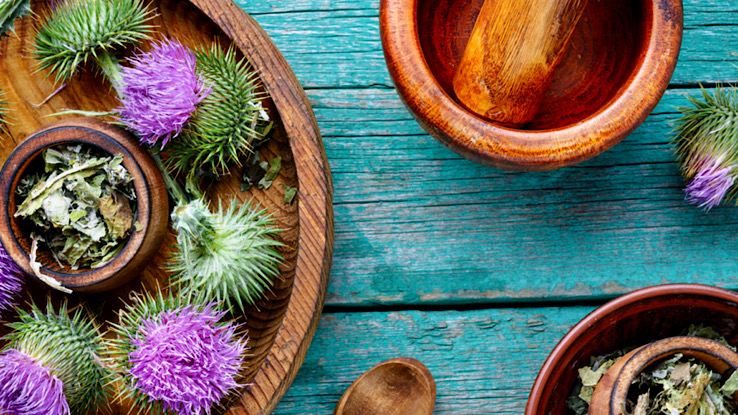
Yous can find ,ilk thistle, also known as silymarin, on almost continents. You lot can accept this supplement orally. Milk thistle can be helpful to those with diabetes, hepatitis C, indigestion, and cirrhosis.
5. Sage
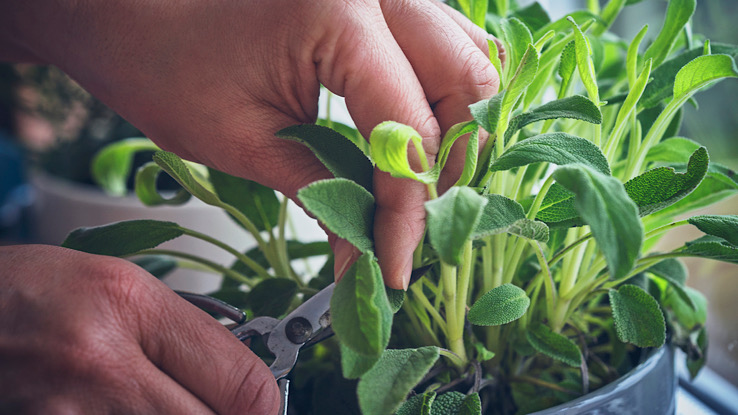
Many cultures utilize Sage for wellness benefits and as a spice. People use sage for sore throats, memory loss, diabetes, and to manage cholesterol levels. However, sage has loftier levels of thujone, and you should not eat information technology in large amounts since it may cause seizures.
six. Ginkgo
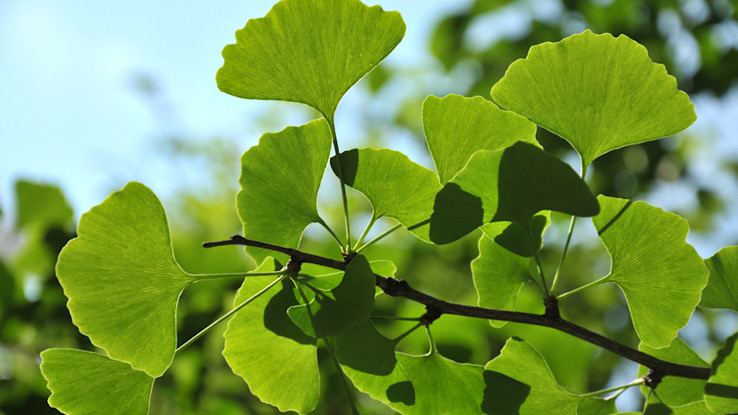
In the by, people used foliage extracts from the ginkgo tree for asthma, bronchitis, and kidney issues. People take recently used ginkgo extract as a dietary supplement for memory loss, tinnitus, and anxiety. People simply use the leafage extracts, because the seeds contain toxins.
7. Chamomile
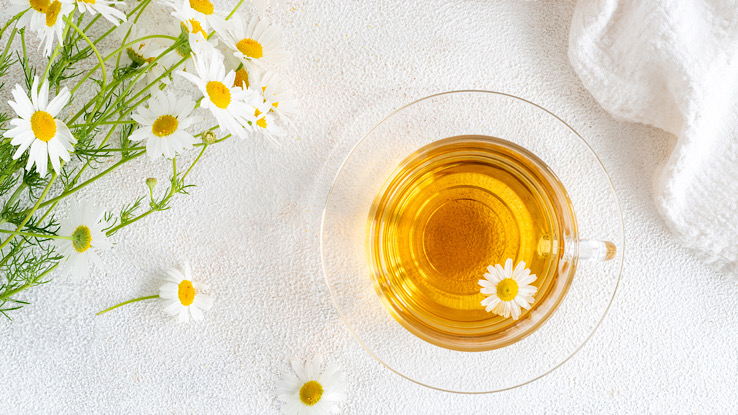
There are two different types of chamomile, Roman and German.
- High german chamomile: People use it for indigestion, insomnia, and high stress. It tin can also treat sores on the gums caused by cancer treatment.
- Roman chamomile: People use it for insomnia, nausea, and swelling. Yous can put it in teas and on the skin for wounds and inflammation.
8. Aloe Vera
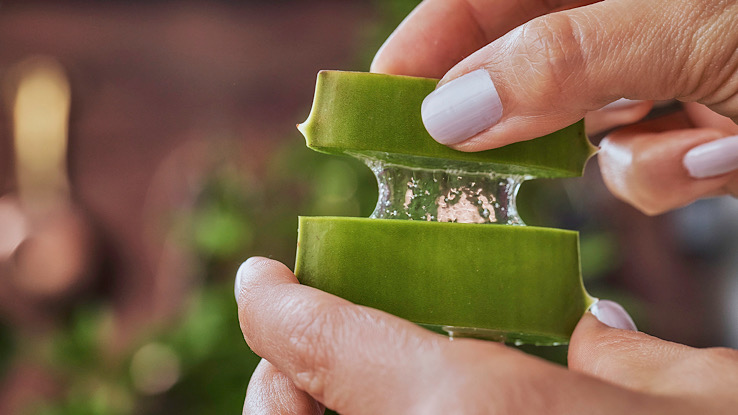
In that location are over 400 kinds of aloe plants. Aloe vera has a gel inside the leaves that can treat burns on the skin. People as well employ the leaves as a laxative. You will find this plant in commercial foods and as a flavor condiment and dietary supplement.
9. Tea Tree
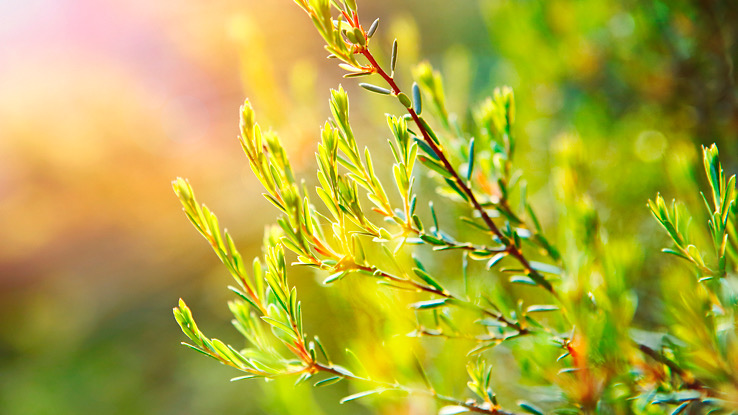
The oil made from tea tree leaves can be very beneficial for the skin and help treat acne. It is also an antiseptic and can be helpful for insect bites, smash fungus, and cuts. You should utilise tea tree oil topically and not eat information technology.
10. Valerian
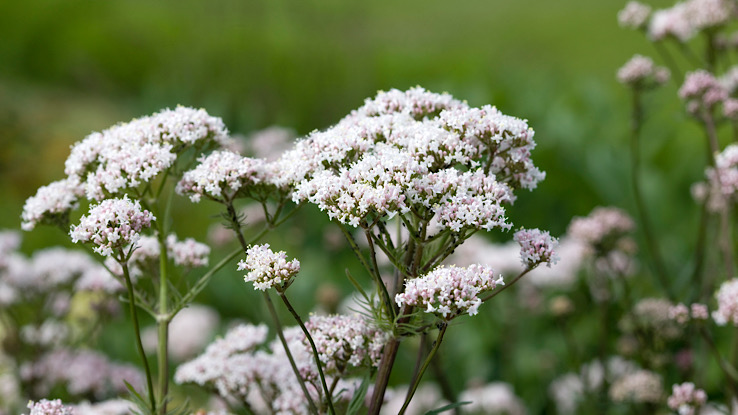
The roots of this plant can treat insomnia, anxiety, and migraines. Studies show that valerian can help save premenstrual syndrome (PMS) pain and menopause symptoms. Since information technology can help induce slumber, do not use it with alcohol or sedatives.
Resource Links
- "Aloe Vera" via National Institute of Ecology Health Sciences
- "Aloe" via Mayo Clinic
- "American Ginseng" via MedlinePlus
- "Chamomile" via National Center for Complementary and Integrative Health
- 'Echinacea: What Should I Know About It?" via Family unit Doctor
- "The growing use of herbal medicines: issues relating to adverse reactions and challenges in monitoring rubber" via Frontiers in Pharmacology
- "A Guide to Common Medicinal Herbs" via University of Rochester Medical Center
Source: https://www.symptomfind.com/nutrition-supplements/medicinal-plants-and-their-uses?utm_content=params%3Ao%3D740013%26ad%3DdirN%26qo%3DserpIndex
Posted by: bookerestinabot1938.blogspot.com
0 Response to "How Do Animals And Plants Depend On Each Other"
Post a Comment